
How to build a flexible and attractive workplace in 2025
Several major companies, including Amazon, Tesla, and Dell, have recently announced strict return-to-office (RTO) policies, effectively ending remote work for most employees. These decisions have sparked internal pushback and raised concerns about talent retention, work-life balance, commuting, and childcare, adding extra stress to an already full day for many of us.
Parents of young children report less time pressure.

Many report frustration, a lack of motivation caused by having less flexibility in their day. So it’s not surprising that new research suggests that it might not be the best move. The shift to hybrid work has opened up new possibilities, but also new challenges. For leaders now, it means rethinking how to manage teams, plan resources, and maintain productivity across different work locations without having to implement a forced return-to-office (RTO) policy.
In the NRK op-ed “Long Live work from home”, SINTEF research highlights the key benefits of working from home (WFH), including greater autonomy, reduced commuting, lower stress, and improved concentration. Parents report less time pressure. But to succeed with hybrid work, clear guidelines and robust systems are essential.
Why flexibility is a strategic advantage
Flexibility in a hybrid work environment directly supports both organizational performance and employee well-being. Here’s why:
🔑 Talent attraction and retention
- Flexible work arrangements are among the top priorities for job seekers today.
- Organizations that offer remote and hybrid options are more likely to attract skilled professionals, especially parents, caregivers, and younger generations who value autonomy.
📈 Increased productivity
- Employees often perform better when they have the freedom to choose where and when they work.
- Hybrid setups allow for deep focus at home and collaboration in the office—an optimal mix for many roles.
😌 Lower stress and higher engagement
- Less commuting and more control over daily routines reduce burnout and increase motivation.
- Happier employees tend to stay longer and contribute more.
🤝 Stronger team dynamics
- When teams coordinate their office days, they build trust, collaborate more effectively, and onboard new colleagues faster.
- Flexibility doesn’t mean isolation—it can enhance connection when managed well.
📊 Smarter Decision-Making
- Tools like Presence provide data on work patterns, helping leaders make informed decisions about space usage, team planning, and policy development.
⚖️ Operational Resilience
- Flexible models make it easier to adapt to disruptions, whether they are public health issues like COVID-19, transportation strikes, or personal emergencies.
Mandatory office attendance isn’t beneficial—neither for companies nor their employees.
At Enable 365, flexibility is built into our work culture
We believe that people work better when they have the freedom to shape their schedules. That’s why each employee decides when and where they work—whether from home, the office, or elsewhere—based on what suits their week.
Everyone logs their location in Presence. This simple habit keeps the whole team informed at a glance, making it easy to plan meetings, coordinate projects, and collaborate, whether in person or digitally.
It’s not about supervision—it’s about mutual flexibility and transparency. You get the freedom to work your way, and your colleagues get the clarity they need to connect when it matters.
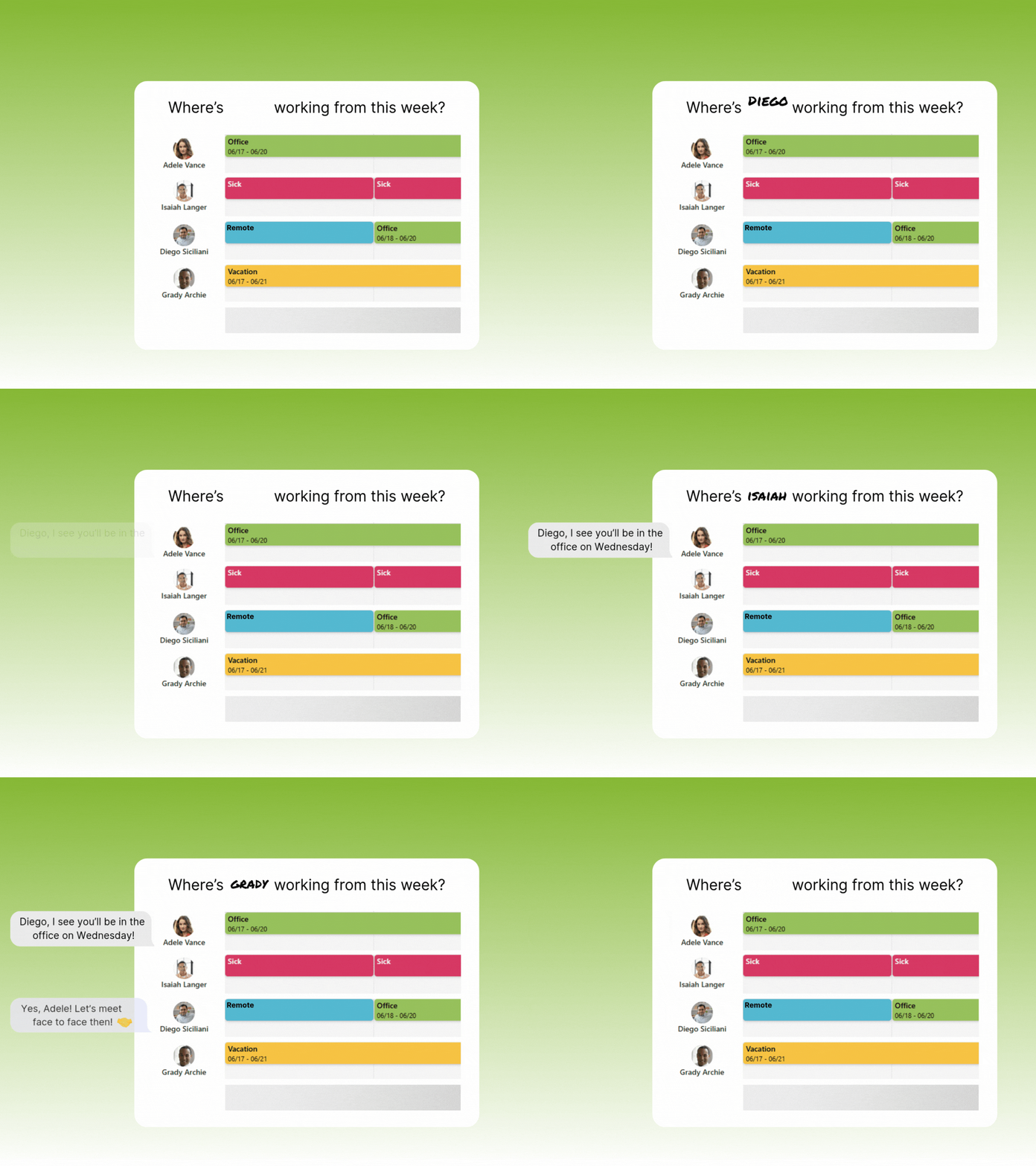
Employees complete their tasks more efficiently when they can influence where and when they work.
Make hybrid work work for your organization
Remote work, or work from home (WFH), isn’t just a trend; it’s a strategic opportunity. As the NRK article argues, working from home should continue to play a role in modern work life.
If you want a tool to implement hybrid work in a way that’s efficient, fair, and aligned with your leadership goals, try Presence free for a whole month!
Latest blog
Se alle
Audit Committee Success: Annual Plan and Key Deadlines—Directly in Microsoft Teams
A best-practice audit committee annual plan often covers these five areas: 1. Financial Reporting and External Audit 2. Internal Audit and Internal Controls 3. Risk Management 4. Compliance and Regulatory Oversight 5. Governance and Committee Effectiveness While this structure gives oversight and clarity, keeping all these activities on track throughout the year is a real […]
Les mer →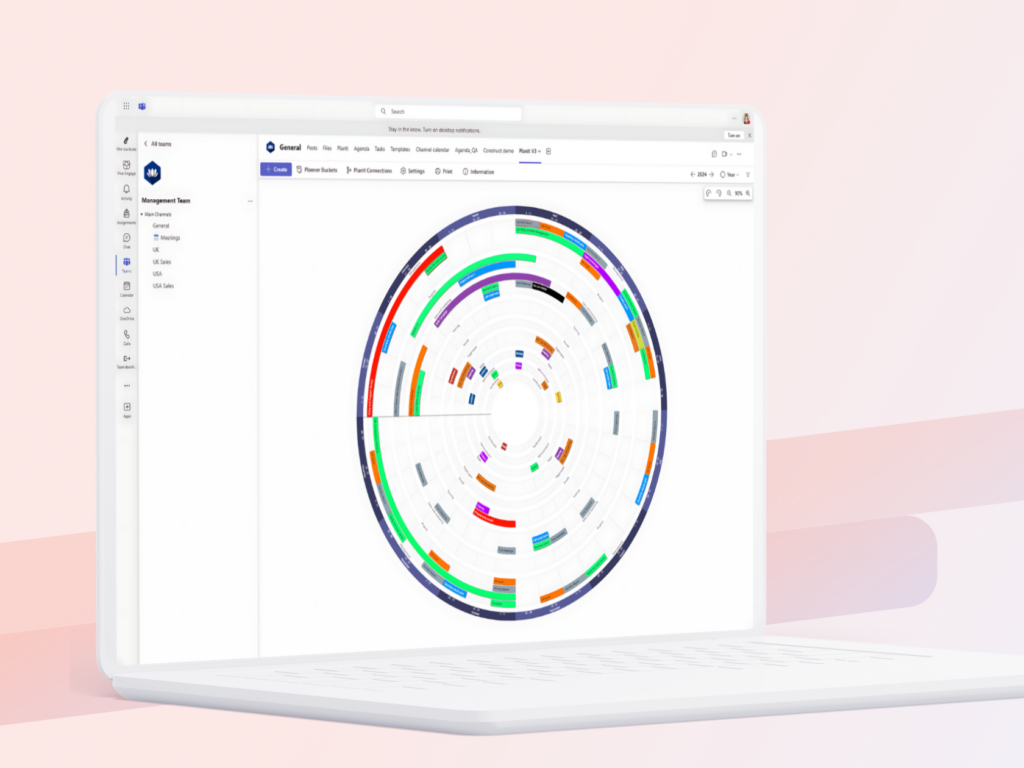
Efficient Annual Planning with a Circular Calendar App
Efficient Annual Planning with a Circular Calendar App Annual Planning with a Circular Calendar app like PlanIt fosters better collaboration and resource utilization through improved oversight of essential activities and events throughout the year. A circular calendar, or annual planning wheel, provides the user with a bird’ s-eye view of the full year and supports […]
Les mer →